





The introduction of artificial intelligence (AI) in web design has significantly transformed the process of building a website, shifting it from a complex, code-oriented process to a streamlined, prompt-based one. Now, it is a simple, multi-step process to (in minutes rather than weeks) build a professional, functional website using AI generative tools. The process involves simply describing your vision in plain language, having the AI generate the initial website structure, content, and design, and then using intuitive editors and, possibly, AI assistants to fine-tune the customised adjustments.
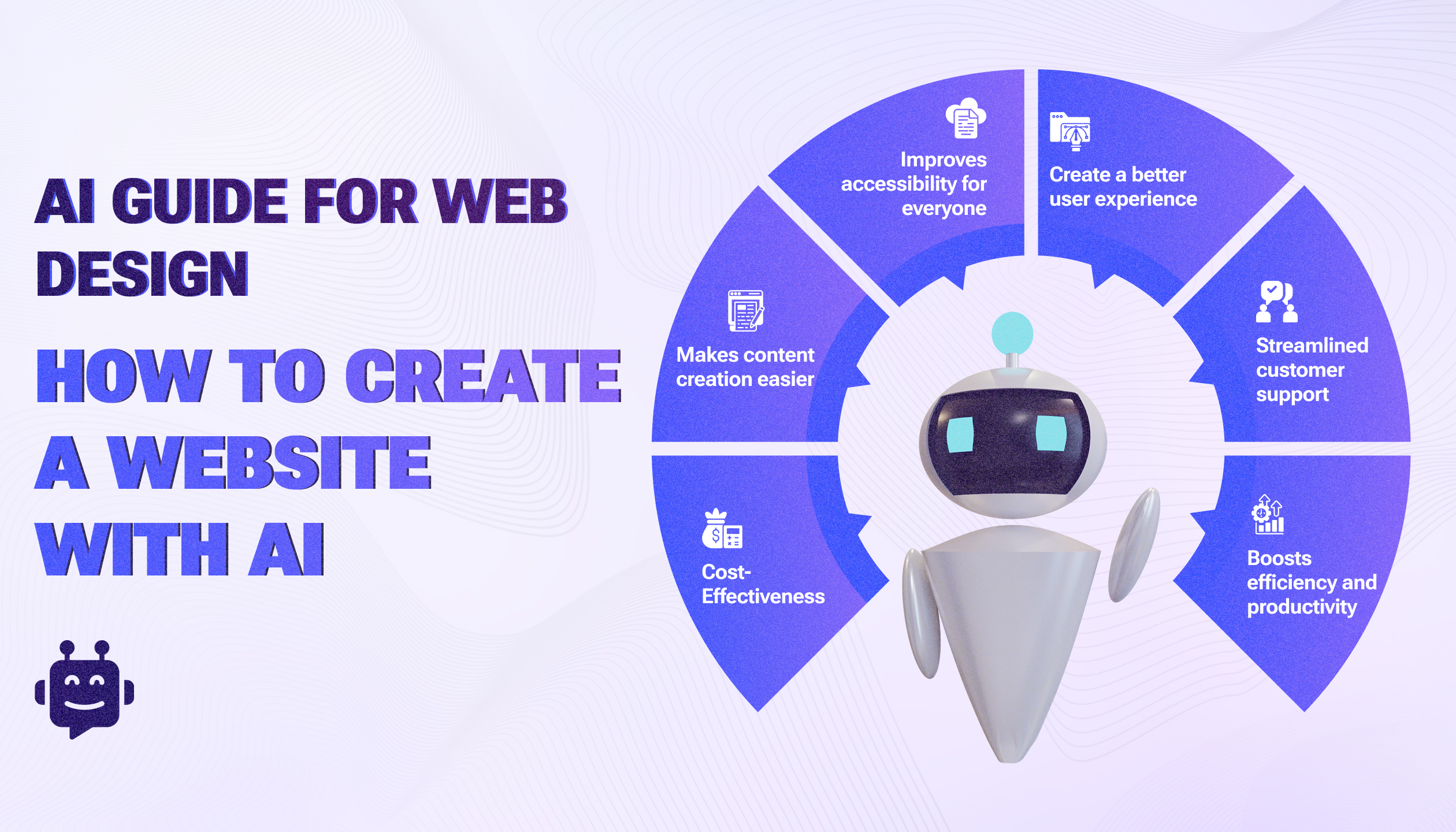
The best AI website builder is usually in dedicated AI website builders, such as Wix ADI, Hostinger AI, Jimdo, and Framer, or AI-integrated tools such as GitHub Copilot and Figma AI. These website development AI tools use machine learning to automate mundane, tedious work, so you don’t need to worry; just know your site will be mobile responsive, SEO optimised, and visually consistent with little to no manual input. This approach to website building using AI opens up and democratises the web creation process, letting even non-coding users easily create a new website and share unlimited design work on a small budget, and develops transformative solutions to help small businesses and individuals.
The Rise of Artificial Intelligence Design Website Tools
The change is being spurred by AI design website platforms, which only require a simple text description(a prompt), to generate a fully realised website. This moves away from traditional building platforms and offers unique, customised initial designs.
Main AI-Powered Tools and Concepts
AI Website Builders: AI platforms, such as Wix ADI, Hostinger AI, Framer, and 10Web, create sites based on an understanding of how the user interacts with the site (i.e., business type, desired style, and content requirements) to create a fully realised site, including design, images, and text all at once. This is the ground of AI-inspired web design.
AI Helpers: Tools like GitHub Copilot and Figma AI support professional developers and designers. No-code users can use conversational AI assistants within website builders to edit sites by simply typing a request, such as "Change the hero section to dark mode", to edit the site right away.
AI Automation Design: This is the principal concept. Tasks that took hours—creating sitemaps, producing wire frames, ensuring the images used were appropriate, writing product descriptions, and optimising them for mobile devices—take seconds to do.
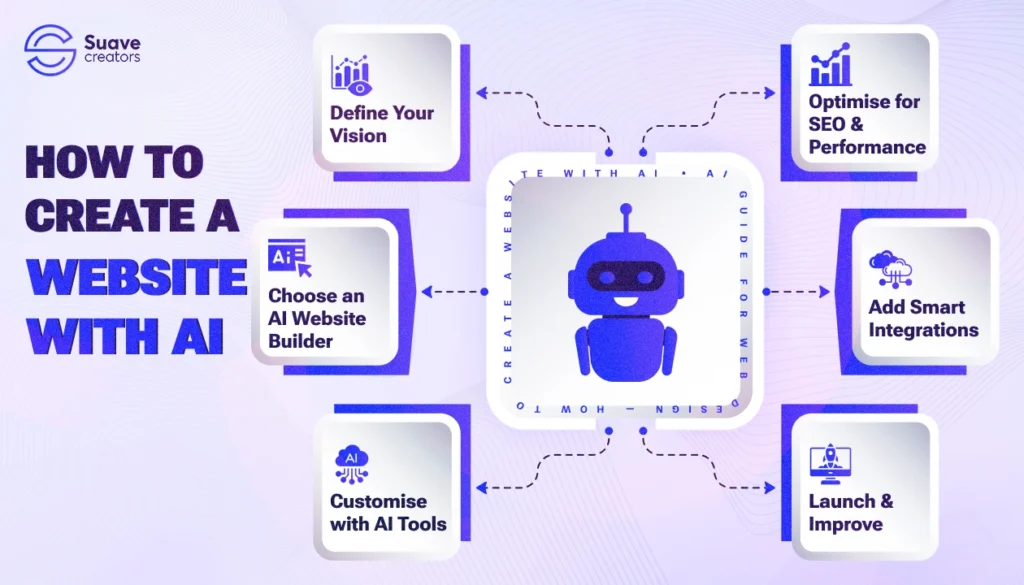
How to Create a Website with AI Step-by-Step?
1. Define Your Vision
The initial approach involves expressing your needs to an AI.
• Select a platform from one of the best AI for web-development tools (Hostinger AI, Framer, Wix).
• Explain your vision for your website or business.
• You may also want to answer any guiding questions the AI may ask. This could include colour palette, font style, and what pages may be important for your website (e.g., blog, e-commerce, gallery).
2. AI Creation and First Review
In a matter of minutes, the AI can take all the information you entered and generate an initial AI website design draft.
• Instant Draft: The AI generates a multi-page, complete website draft that sometimes includes images relevant to the industry, placeholder text for future content, and a cohesive layout structure.
• Review Structure: Review the automatically created sitemap, wireframes, and content to see if they reflect your original idea.
3. Personalisation and Fine-Tuning
This is where you apply your personal flair - either directly through the platform’s easy-to-use drag-and-drop editor, or, if your platform has it, through an AI Co-Pilot type of feature.
• Visual Editing: You can change fonts, colours, and section layouts using the editor. Many platforms supplement the visual editing with a visual editor for more precise control.
• Content Generation: Use built-in AI-writing tools to generate or edit website copy, product descriptions or blog posts. AI writing tools also make changing the tone of your writing a breeze (formal, playful, authoritative, etc.)
• SEO optimisation: Most AI web design tools now have built-in features for SEO that generate SEO meta titles and descriptions and alt-text for images – perfect to help with searchability from day one.
4. Publish and Launch
Once you are satisfied, the final task is to go live.
• Connect Domain: Decide on a personalised domain name, and connect it to your new website.
• Go Live: With one click of a button, you have gone from the back end where you developed your AI-based website, and it is now published with hosting, an SSL certificate, and all the other technical issues that a platform would have worried about.
The Future of AI in Web Development
AI and web development together are moving toward hyper-personalisation and intelligent maintenance. AI systems will be able to understand how users behave in real time, altering layout, personalising content recommendations, and autonomously carrying out A/B tests iteratively and without interruption. This level of AI automation design will lend itself to creating websites that are more adaptive, engaging, and performance-oriented.
Conclusion
The future of web design will, without question, be infused with AI. It will transform the entire website process into a fast, easy, and prompt-driven task. By taking care of everything from creating the first layout to SEO, AI will empower even novices and amateurs to deploy high-quality, professional websites in minutes or less. This is the definitive start to the rise of AI automation design, which will allow creators to focus less on code and more on a truly unique and engaging online presence. In today's digital world, building a compelling website will not be a coding challenge. It will be a conversation with your AI.
The future of web design will, without question, be infused with AI. It will transform the entire website process into a fast, easy, and prompt-driven task. By taking care of everything from creating the first layout to SEO, AI will empower even novices and amateurs to deploy high-quality, professional websites in minutes or less. This is the definitive start to the rise of AI automation design, which will allow creators to focus less on code and more on a truly unique and engaging online presence. In today's digital world, building a compelling website will not be a coding challenge. It will be a conversation with your AI.